
Pravin Tikaram
A healthy digestive system depends partly on the diverse community of microorganisms living in the gut, known as the gut microbiome. What we eat can influence the composition and activity of these microorganisms.
Foods rich in probiotics, prebiotic fibre and plant compounds such as polyphenols can help support a diverse and balanced gut microbiome. Fermented foods can provide beneficial microorganisms, while fibre-rich plant foods supply nutrients that gut bacteria use during fermentation.
Including a variety of gut-friendly foods as part of a balanced diet is a practical way to support digestion and overall wellbeing.
Fermented Foods: Natural Sources of Probiotics
Fermented foods are produced when microorganisms such as bacteria and yeasts break down components of food during fermentation. Some fermented foods contain live microorganisms that may contribute beneficial microbes to the diet and support the gut microbiome.
Examples include kimchi, sauerkraut, kefir, yogurt with live cultures, miso and tempeh. When choosing fermented products for their live cultures, check the label, as processing methods such as pasteurisation can reduce or eliminate live microorganisms.
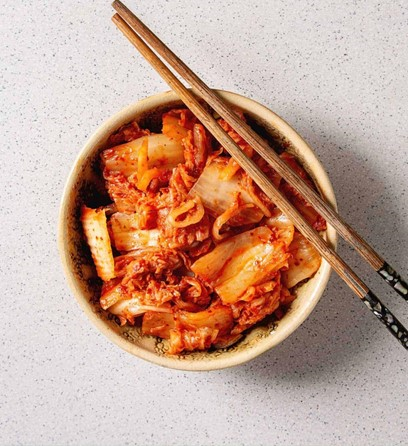
KIMCHI

KAFIR
SAUERKRAUT
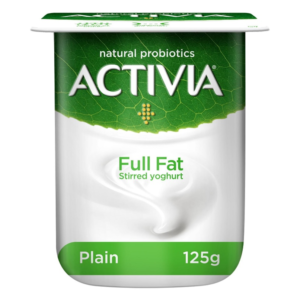
YOGHURT
High-Fibre Vegetables: Feed Your Beneficial Gut Bacteria
Many fibre-rich plant foods contain prebiotic fibres, which pass through the upper digestive tract without being fully digested. In the large intestine, beneficial gut bacteria can ferment these fibres and use them as a source of nourishment.
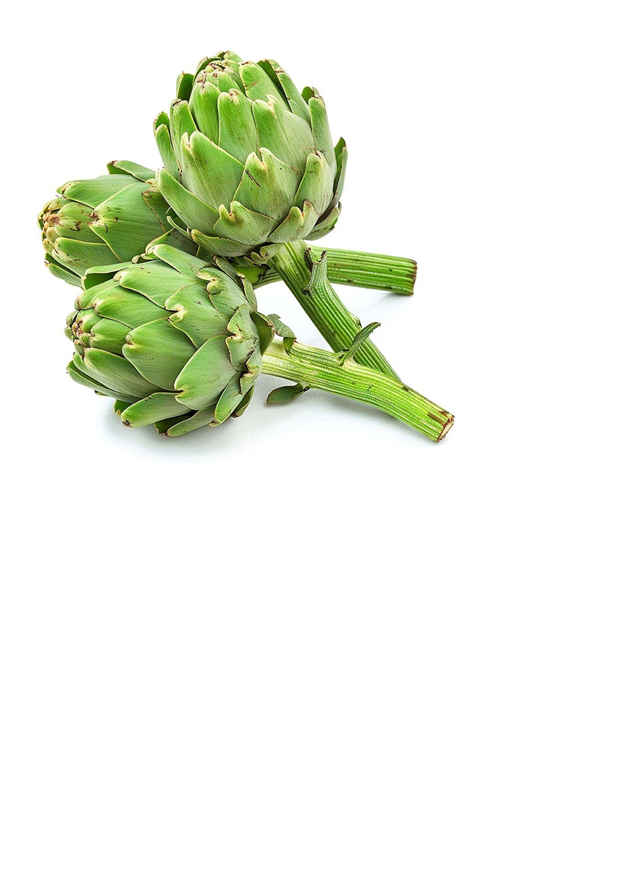
Artichokes, leeks, onions, garlic and asparagus are useful sources of prebiotic compounds such as inulin and fructans. Other fibre-rich foods, including oats, legumes, bananas, whole grains, nuts and seeds, can also help support a diverse gut microbiome.
When gut bacteria ferment certain fibres, they produce short-chain fatty acids, including butyrate, which help provide energy for cells lining the colon and contribute to normal intestinal function.
Polyphenol-Rich Foods: Supporting the Gut Microbiome
Polyphenols are naturally occurring plant compounds found in many fruits, vegetables, beverages and other plant foods. They have antioxidant properties, and some polyphenols interact with gut bacteria as they pass through the digestive system.
Blueberries, pomegranates, grapes, green tea, extra virgin olive oil and cocoa-rich dark chocolate are examples of polyphenol-rich foods. A varied plant-based diet can provide many different types of these beneficial compounds.
Research suggests that polyphenols and the gut microbiome can influence one another: gut bacteria help transform polyphenols into compounds that the body can use, while polyphenols may also help support the growth of certain beneficial bacteria. Their effects vary considerably depending on the particular food and individual gut microbiome.
Other Gut-Friendly Foods to Include
Supporting gut health is not about relying on one particular “superfood”. Eating a wide variety of plant foods provides different types of fibre, resistant starch, vitamins, minerals and plant compounds that can help support digestive health and microbial diversity.
-
- Oats and other whole grains
-
- Apples and pears
-
- Beans, lentils and chickpeas
-
- Flaxseeds and chia seeds
-
- Walnuts and almonds
-
- Sweet potatoes and pumpkin
-
- Avocados
-
- Bananas
-
- Leafy green vegetables
Tips for Supporting Gut Health Through Diet
-
- Eat a wide variety of fruits, vegetables, whole grains, legumes, nuts and seeds.
-
- Include fermented foods containing live cultures where appropriate.
-
- nclude prebiotic and other fibre-rich foods regularly.
-
- Increase fibre intake gradually, especially if your usual diet is low in fibre.
-
- Drink adequate fluids as you increase dietary fibre.
-
- Choose minimally processed foods more often and limit excessive amounts of ultra-processed foods and added sugars.
-
- Aim for variety rather than relying on a single food or supplement for gut health.
Key Takeaway
A healthy gut is supported by a varied and balanced diet rather than any single food. Fermented foods can provide beneficial microorganisms, prebiotic and fibre-rich foods help nourish gut bacteria, and polyphenol-rich plant foods provide compounds that interact with the gut microbiome.
Including a diverse range of vegetables, fruits, whole grains, legumes, nuts, seeds and fermented foods can help support digestion and a healthy gut microbiome. Individual responses to foods vary, so dietary changes should be introduced gradually, particularly for people who experience digestive discomfort.
Note: This information is for general educational purposes and is not a substitute for personalised medical or dietary advice. People with digestive disorders, food intolerances or other health conditions should discuss significant dietary changes with an appropriate healthcare professional.