
- Why diet matters to your gut microbiome
A gut health diet helps shape the gut microbiome, which functions like a living ecosystem. The foods you eat provide the environmental fuel that influences this ecosystem every day.. What you eat determines which microbes thrive, which decline, and how well the whole system supports your digestion, immunity, and overall wellness. Food is the primary fuel for gut bacteria Different foods feed different microbes. Fiber-rich whole foods nourish beneficial bacteria, while ultra‑processed foods starve them or feed less helpful strains. Fibre is the microbiome’s favourite nutrient Soluble fiber from fruits, vegetables, legumes, oats, and seeds is fermented by gut bacteria into short-chain fatty acids (SCFAs).
- Dietary Fibre in a Gut Health Diet
- Vegetables
- Fruits
- Whole grains
- Beans and lentils
- Nuts and seeds
- Also prebiotic foods
- Onions and garlic
- Leeks
- Asparagus
- Bananas
- Oats and other fibre-rich foods
- Consider fermented foods
- Natural yoghurt
- Kefir
- Sauerkraut
- Kimchi
- Other fermented foods
Fermented foods are promising, but note that not every fermented food is automatically a probiotic. Research is still determining exactly how regular fermented-food consumption affects the microbiome.
- Eat a variety of plant foods
Diversity matters because our body isn’t built to thrive on one miracle ingredient — it’s built to run on a network of nutrients that work together. A single “superfood” can be great, but it can’t replace the complexity our body actually needs. No single food contains everything our body needs Even the most hyped foods — blueberries, spirulina, kefir, turmeric — are rich in some nutrients but missing many others. our body needs dozens of vitamins, minerals, fibres, and phytonutrients that only a varied diet can provide. Nutrients work synergistically Vitamin C boosts iron absorption. Healthy fats help you absorb vitamins A, D, E, and K. Polyphenols support gut bacteria. You can’t get these interactions from one food alone.
- Choosing whole foods more often.
One of the simplest, most reliable ways to improve overall wellness — and it fits perfectly with the evidence‑based, practical tone I use on Vital Axis Wellness. Whole foods deliver vitamins, minerals, fiber, antioxidants, and phytonutrients in their natural balance. Processed foods often strip these away and replace them with additives, sugars, and oils. Microbiome thrives on diverse fibres from fruits, vegetables, legumes, nuts, seeds, and whole grains. These fibres simply don’t exist in refined foods. Fish, nuts, seeds, olive oil, legumes, etc. Whole foods digest more slowly, preventing spikes and crashes. This supports metabolism, appetite control, and long‑term metabolic health.
- How to improve your diet gradually
Increase fibre gradually
Eat a wider variety of plants
Introduce new foods one at a time
Drink enough fluid
A particularly useful point for is fibre. A 2024 analysis of 21 dietary-fibre interventions involving 538 people found consistent changes in gut bacterial communities following increased fibre intake.
What you eat directly determines which bacteria thrive in your gut. A diet rich in diverse plant foods is the most effective way to build a resilient microbiome.
Top Gut-Healthy Foods
- Fermented Foods: Kimchi, sauerkraut, and kefir provide natural probiotics.
- High-Fiber Vegetables: Artichokes, leeks, and onions act as prebiotics.
- Polyphenol-Rich Foods: Blueberries and dark chocolate protect gut lining.
Focusing on whole foods rather than processed sugars can reduce gut inflammation and improve overall energy levels.
Eating a diverse range of nutrient-rich foods is one of the most effective ways to support a healthy gut microbiome. The beneficial bacteria in your digestive system thrive on specific nutrients, particularly probiotics, prebiotics, and plant compounds called polyphenols. Incorporating these foods into your daily diet can improve digestion, strengthen immunity, reduce inflammation, and support overall health.
🥬 1. Fermented Foods: Natural Sources of Probiotics

Fermented foods contain live beneficial bacteria (probiotics) that help restore and maintain a balanced gut microbiome. Regular consumption may improve digestion, reduce bloating, and enhance immune function.

|
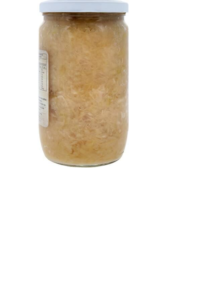
SAUERKRAUT |
|
KAFIR |
|
YOGHURT |
Some of the best fermented foods include:
- Kimchi – A traditional Korean dish made from fermented vegetables, rich in beneficial bacteria, vitamins, and antioxidants.
- Sauerkraut – Fermented cabbage containing naturally occurring probiotics and dietary fiber.
- Kefir – A fermented milk drink with a diverse range of probiotic strains, often containing more beneficial bacteria than yogurt.
- Yogurt (with live cultures) – Choose plain, unsweetened varieties that contain active probiotic cultures.
- Miso – A fermented soybean paste commonly used in soups and marinades.
- Tempeh – A fermented soybean product that is also an excellent source of plant-based protein.
- Kombucha – A fermented tea that contains beneficial bacteria and yeast (choose varieties with minimal added sugar).
Benefits of fermented foods:
- Increase beneficial gut bacteria
- Improve digestion
- Support immune health
- May reduce inflammation
- Help restore gut balance after antibiotics
2. High-Fiber Vegetables: Feed Your Good Gut Bacteria
High-fiber vegetables are rich in prebiotics, which are special types of fiber that nourish the beneficial bacteria already living in your gut. Unlike probiotics, prebiotics are not bacteria themselves—they serve as food for your healthy microbes.
Excellent prebiotic foods include:
- Artichokes – One of the richest natural sources of inulin, a powerful prebiotic fiber.
- Leeks – Packed with inulin and fructooligosaccharides (FOS), which support beneficial gut bacteria.
- Onions – Rich in both prebiotics and antioxidants.
- Garlic – Encourages the growth of beneficial bacteria while helping reduce harmful microbes.
- Asparagus – Contains fiber that supports digestive health.
- Green Bananas – High in resistant starch, which nourishes healthy gut bacteria.
- Chicory Root – One of the highest natural sources of prebiotic fiber.
Benefits of prebiotic vegetables:
- Feed beneficial gut bacteria
- Improve bowel regularity
- Increase production of beneficial short-chain fatty acids
- Support colon health
- Enhance mineral absorption
 3. Polyphenol-Rich Foods: Protect and Strengthen the Gut
Polyphenols are powerful plant compounds with antioxidant and anti-inflammatory properties. Although humans absorb only a portion of these compounds, gut bacteria break down the rest into beneficial substances that support both digestive and overall health.
Top polyphenol-rich foods include:
- Blueberries – Rich in anthocyanins that encourage the growth of beneficial bacteria.
- Dark Chocolate (70% cocoa or higher) – Contains flavonoids that may promote a healthier gut microbiome.
- Green Tea – Provides catechins that support beneficial gut bacteria and reduce inflammation.
- Pomegranates – Rich in ellagitannins, which gut bacteria convert into beneficial compounds.
- Red Grapes – Contain resveratrol, a well-known antioxidant.
- Extra Virgin Olive Oil – Supports beneficial bacteria while helping reduce inflammation.
- Cranberries – May help prevent harmful bacteria from attaching to the digestive tract.
Benefits of polyphenols:
- Protect the gut lining
- Reduce inflammation
- Promote beneficial bacteria
- Combat oxidative stress
- Support heart and brain health
Other Gut-Friendly Foods Worth Including
Besides probiotics, prebiotics, and polyphenols, many everyday foods help maintain a healthy digestive system:
- Oats
- Apples
- Pears
- Lentils
- Chickpeas
- Beans
- Flaxseeds
- Chia seeds
- Walnuts
- Almonds
- Sweet potatoes
- Pumpkin
- Avocados
These foods provide fiber, vitamins, minerals, and healthy fats that support a diverse and resilient gut microbiome.
Tips for Improving Gut Health Through Diet
To maximize the benefits of gut-friendly foods:
- Eat at least 30 different plant foods each week to encourage a diverse gut microbiome.
- Include both probiotic and prebiotic foods regularly.
- Choose whole, minimally processed foods whenever possible.
- Drink plenty of water to help fiber work effectively.
- Limit excessive added sugars and ultra-processed foods, which may negatively affect gut bacteria.
- Increase your fiber intake gradually to minimize bloating or digestive discomfort.
Key Takeaway
A healthy gut begins with what you eat. Fermented foods provide beneficial probiotics, high-fiber vegetables nourish those microbes with prebiotics, and polyphenol-rich foods help protect the gut lining while supporting a balanced microbiome. By regularly including a wide variety of these foods in your meals, you can promote better digestion, stronger immunity, and improved overall well-being.
Lorem ipsum dolor sit amet, consectetur adipiscing elit. Ut elit tellus, luctus nec ullamcorper mattis, pulvinar dapibus